Navigating Genoa: A Practical Guide to Transportation

Genoa, with its labyrinthine historical centre and unique location nestled between the sea and mountains, can initially bewilder visitors. This guide aims to help you navigate the “Superba” efficiently, saving you time and money.
The Metro: Small but Effective
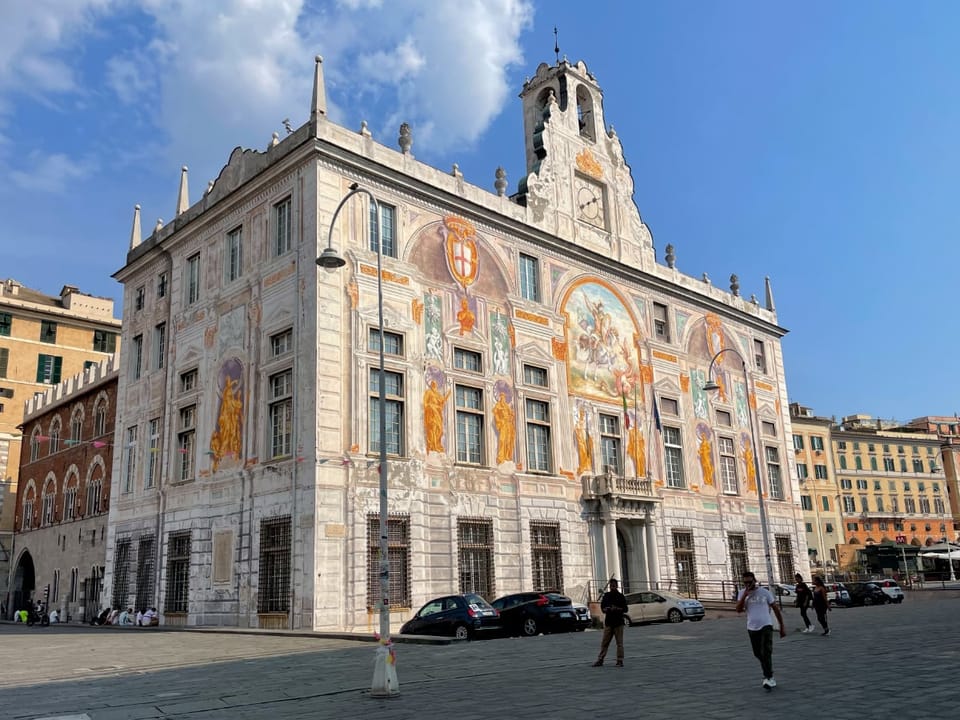
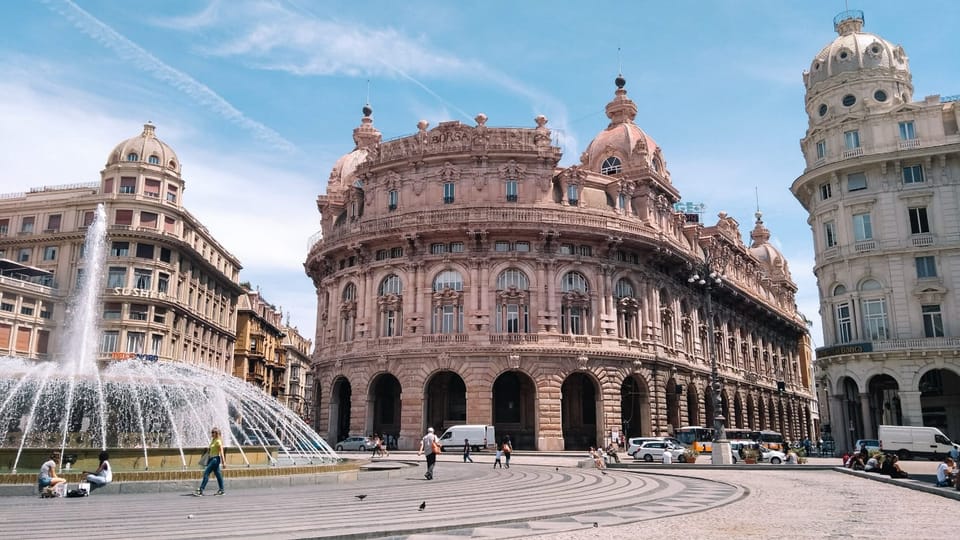
Genoa's metro is a single 7.2 km line with 8 stations, running from the Valpolcevera to the centre: Brin, Dinegro, Principe, Darsena, San Giorgio, Sarzano/Sant'Agostino, De Ferrari and Brignole. Spanning from Brin to Brignole, the line has stops at Principe (main train station) and De Ferrari (city centre). It links Principe and Brignole stations and the Dinegro ferry terminal with De Ferrari, so it is a quick way from the main arrival points into the centre, and a good choice to avoid heavy traffic during rush hours or on Liguria’s rainy days. Check the AMT metro page for current hours.
Arriving: Stations, Ferry Terminal and Airport
If you arrive by train at Principe or Brignole, or at the Dinegro ferry terminal, the metro links you with De Ferrari in the centre. From the airport, the Volabus requires a 24-hour Met Daily ticket. That ticket is valid on the whole AMT network, including Navebus, the Genova–Casella railway and line 782 to Portofino. Ticket rules can change, so check the same AMT Volabus page for current conditions, times and fares.
Historical Lifts: A Genoese Specialty
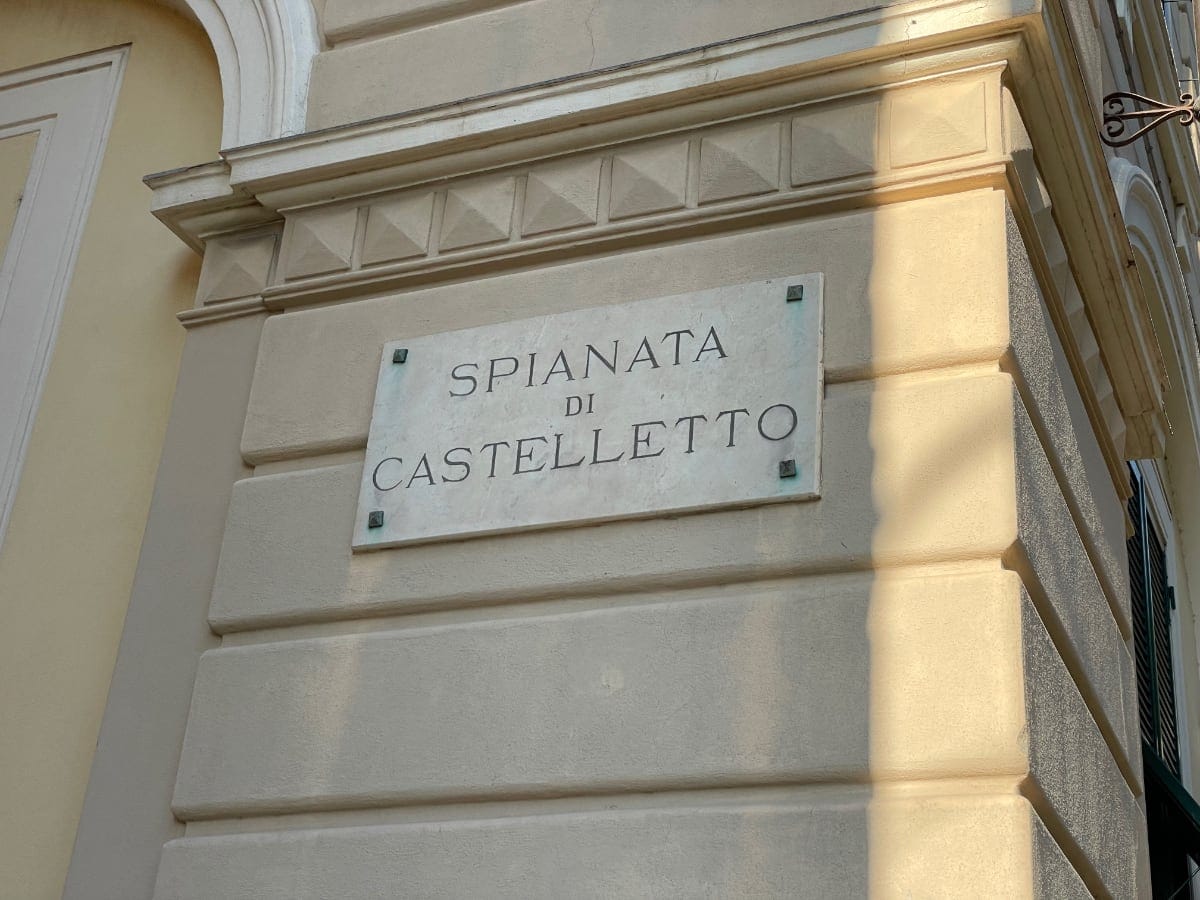
One of Genoa’s most unique features is its public lifts, which bridge the height differences between the city’s lower and upper sections. The Castelletto lift is the most iconic, offering breathtaking panoramic views of the old town and the harbour. AMT runs 12 lifts, as well as the metro, two funiculars and a rack railway. Tickets from an SMS or app carnet of €2 tickets cannot be used for the lifts; lift rides need the specific lift carnet. From 1 January 2024, as part of a trial, only residents of the Città Metropolitana di Genova could travel free on the metro, funiculars, lifts and rack railway; visitors were not included. Check the AMT site for the current status.
Buses, Funiculars and the Rack Railway
Useful AMT bus lines for visitors include the 17 (Nervi–Corso Europa–Brignole–Via XX Settembre–Via Ceccardi), the 15 (Quinto–Sturla–Albaro–Tommaseo–Brignole) and the 20 (Foce–De Ferrari–Principe–Via di Francia, WTC); routes are on the AMT urban lines page. The funiculars, Zecca-Righi and Sant’Anna, complement the city’s transportation system, providing access to viewpoints. AMT also runs the Principe–Granarolo rack railway.
Driving in Genoa: ZTLs and Park + Bus
While driving into Genoa might be convenient, navigating the city centre can be challenging. Traffic is dense, and parking is limited and expensive. Genoa has nine restricted traffic zones (ZTLs): Centro Storico, Boccadasse, Bolzaneto, Molo, Nervi (Gazzolo), Nervi (Oberdan), Rivarolo, Vernazzola and Caracciolo. Leased or hired vehicles are among the vehicle types for which a ZTL access permit can be requested, via the Comune di Genova ZTL page, so check with your rental company or accommodation before driving in. If you decide to drive, AMT’s Park + Bus scheme covers Piazzale Marassi, Ponte Fleming (Molassana), Molo Archetti (Pegli), Dinegro (Metro) and Rivarolo. Piazzale Marassi is listed with 140 spaces, open 24 hours every day; check the Park + Bus page for current conditions.
Tickets and Passes
Ordinary AMT tickets are sold at AMT and Trenitalia ticket offices, via the app and SMS, by contactless ILA, at newsstands, tobacconists, partner shops and supermarkets, and at AMT ticket machines; check that page for current options. For a full day of sightseeing, the 24-hour Met Daily ticket is valid on the whole AMT network.
Validating Your Ticket and Avoiding Fines
Validate your ticket on board at the start of the journey, and keep it until after you leave the vehicle or station. The fine for travelling without a ticket is €40 plus the ticket price if paid immediately to the inspector. It rises to €60 within 5 working days, €110 within 60 calendar days and €220 after 60 days, each plus the ticket price.
The integrated AMT–Trenitalia ticket must be validated at the start of the trip; if you use both bus and train, validate it in both spaces on the ticket. It is not valid on Volabus, the Genova–Casella railway or line 782 to Portofino. For the lifts, you need the lift carnet: €2 tickets from an SMS or app carnet cannot be used.
Exploring the Historical Centre on Foot
The historical centre, with its characteristic “caruggi” (narrow alleys), is best explored on foot. Comfortable shoes are advisable, as many streets are steep and paved with cobblestones.
Busy Dates to Plan Around
- Genoa Boat Show: the 66th Salone Nautico Internazionale runs 1–6 October 2026, likely a busy period for transport in the city, so allow extra time for journeys.
- Rolli Days: the second Rolli Days of 2026, when Genoa’s UNESCO-listed palaces open their doors to the public, takes place on 16–18 October 2026, in the 20th anniversary year of the palaces' UNESCO listing. Check visitgenoa.it for future editions.
Practical Tips
- You can check real-time bus arrivals at 2,634 stops through AMT’s SiMon system; the AMT app is also one way to buy tickets.
- Avoid driving during peak hours.
- Lifts can be temporarily out of service for maintenance: on 26 May 2026, for example, the Righi and San Nicola lifts were suspended 08:30–12:00 for six-monthly inspections. Check the news on amt.genova.it before relying on a lift.
- Night line N2 runs Nervi–Sturla–Albaro–De Ferrari–Sestri–Voltri; check the AMT urban lines page for times.
- In Genoa, taxi fares are set only by the taximeter, or by fixed fares on predetermined routes. Taxi complaints go to the Comune di Genova's Ufficio Autopubbliche: phone 010-5577952, email pltaxi@comune.genova.it.
By following this guide, navigating Genoa becomes a breeze, leaving you free to immerse yourself in the wonders of this historic city.